The M&L technology approach
Local Data Logging & Central Integration
Record I/O, sensor and event data locally on MicroSD and transfer operational information to central systems using MQTT or HTTP for historical monitoring and reporting.
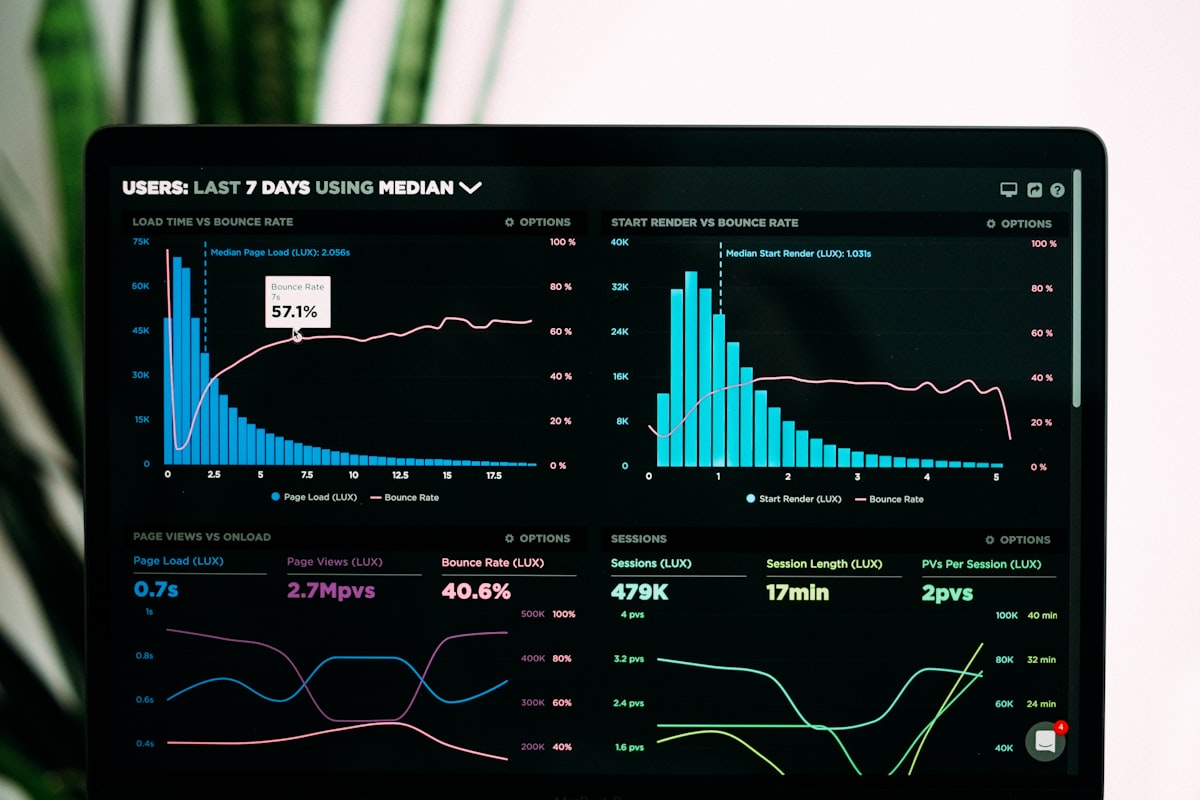
Keep Field Data Local and Send It Where You Need It
Industrial and IoT projects require more than real-time monitoring. Knowing when a machine stopped, when temperature exceeded a critical threshold or when an input changed is essential for historical analysis and operational reporting.
NetRelay can use optional MicroSD storage for local I/O, sensor and event logging while MQTT or HTTP can be used to integrate field information with central software platforms.
Local Logging with MicroSD
I/O changes, sensor measurements and important system events can be stored locally using optional MicroSD support, creating a historical record directly at the field level.
Keep Data at the Edge During Connectivity Problems
Remote sites and industrial facilities cannot always depend on uninterrupted Internet connectivity. Local storage can provide an additional field-level data layer when communication with central infrastructure is temporarily unavailable.
Record Meaningful Events
Efficient logging does not require continuously recording identical values. State changes and critical events can be treated as meaningful records.
A new event can be generated when a machine starts, stops, enters a fault condition or when a sensor exceeds its configured threshold.
Timestamped Event History
RTC support can associate events with accurate time information. Records can include date, time, I/O source, previous state, new state, sensor value and event type.
Real-Time Central Data with MQTT
MQTT allows field information from NetRelay devices to be delivered through a central broker. Production systems, IoT platforms, dashboards and custom backend applications can subscribe only to the topics they require.
The publish/subscribe architecture also allows the same field event to be consumed by dashboards, databases, alarm services and other applications simultaneously.
HTTP Integration with Existing Applications
HTTP-based integration makes it possible to connect field data with REST APIs, ERP, MES, production monitoring, energy management and security applications.
Build a Central Database
Data received through MQTT or HTTP can be stored in PostgreSQL, TimescaleDB, SQL Server, MySQL or other database platforms suitable for the application.
Combine Multiple Locations
NetRelay devices installed in factories, warehouses, stores, technical rooms or remote sites can send their relevant data to the same central application, providing a unified monitoring environment.
Reduce Unnecessary Network Traffic
Central monitoring does not require every sensor and I/O state to be continuously transmitted. State-change events, critical thresholds and configurable reporting intervals can help control network traffic.
If a digital input remains unchanged for eight hours, the same state does not need to be transmitted continuously. A new MQTT message can be generated only when the state changes. Analog sensor values can be transmitted periodically or when important thresholds are exceeded.
Local Logging Plus Central Monitoring
Combining field-level logging with central data transfer provides a robust architecture. Important events can remain available locally while operational information is simultaneously delivered to the central platform.
Production Monitoring Scenario
Consider a production line where NetRelay monitors machine running, stop, fault and production-counter signals. Machine start and fault events are recorded with timestamps and transmitted to the production monitoring platform through MQTT.
When the fault clears, a recovery event is created so central software can calculate total downtime and use the data for shift analysis or OEE reporting.
Server Room Scenario
Temperature readings can be recorded periodically while critical temperature conditions create immediate event records. Fan activation, router availability failures and automated restart events can be included in both local and central histories.
Energy Monitoring Scenario
Values from suitable energy monitoring equipment can be logged over time and correlated with production data to produce daily, weekly and monthly consumption analysis.
Security and Access Logs
Door contacts, cabinet access, barriers and other security signals can be timestamped and transferred to a central platform for historical access analysis.
Example Reports
- Machine runtime and downtime history
- Fault start and recovery records
- Total downtime reports
- Production and shift reports
- Temperature and environmental history
- Critical temperature events
- Relay operation history
- Pump and fan runtime
- Energy consumption history
- Network outage history
- Modem and router restart events
- Door and cabinet access events
- Alarm and critical event history
- Device online/offline history
- Location-based operational reports
Turn Raw Logs into Operational Intelligence
Raw logs become significantly more valuable when processed by central software. Runtime and fault records can generate downtime, MTBF and MTTR metrics; energy records can reveal consumption trends; and network events can be converted into availability reports.
An Open Architecture for Developers
NetRelay does not require developers to use a specific reporting platform. Standard MQTT and HTTP technologies allow teams to decide where data is stored and how it is processed.
Build a data collection service with Node.js, analytics with Python, central storage with PostgreSQL or your own custom web dashboard.
Your Data, Your Infrastructure
Local MicroSD logging combined with your own MQTT or HTTP backend provides greater control over where field information is stored and how it is used.
Record data at the edge, send relevant information to central systems, build historical reports and turn physical I/O events into measurable operational intelligence.